
Let me ask you something.
When was the last time you actually checked your car before driving it?
Just a basic inspection, a walk-around.
A quick look under the hood or testing the brakes before you pull out of the driveway.
At least a cursory glance at the tires to see if they look inflarted enough.
If you’re like most of us… the honest answer is probably “not recently.”
We get in, we start the engine, and we go.
Because the car started yesterday and the day before that, so it’ll start today too.
Right?
Usually.
Until it doesn’t.
It was my dad who basically educated me about the BLOWBAG mnemonic years ago and it stuck with me because it’s one of those things that’s so simple you wonder why nobody teaches it more seriously.
It should be in every driving school curriculum in the Philippines.
It should be on a sticker inside every new car.
It should be the first thing a parent teaches a new driver in the family.
I’ve expanded it slightly to BLOWBAGS because I think the last letter deserves its own spot… and once you see why, you’ll agree.
Let’s go through it.
What BLOWBAGS Stands For
| Letter | What It Means |
| B | Battery |
| L | Lights |
| O | Oil |
| W | Water (and coolant) |
| B | Brakes |
| A | Air (tire pressure) |
| G | Gas |
| S | Security |
Eight things.
That’s it.
Eight things to check before every trip, whether you’re driving to the corner store or heading out to the highway
B — Battery
Your battery is the heart of the whole operation.
Without it, nothing works.
The engine won’t crank, the lights won’t turn on, the alarm won’t sound… everything depends on the battery being in good shape.
For regular lead-acid batteries, check the fluid level inside periodically.
More importantly, look at the terminals.
If you see white or greenish powdery buildup on the battery posts… that’s corrosion. It impedes the delivery of power from the battery to your car and it can cause weak starts or sudden failures.
Clean it off.
A little baking soda and water does the job.
Make sure the battery is clamped tightly.
A battery that vibrates loose while you’re driving is not something you want to deal with on a highway.
Practical tip: avoid using accessories like your stereo, aircon, or phone chargers when the engine is off.
Every time you do that, you’re drawing down the battery without the alternator replacing what you’re using.
Over time, that shortens battery life significantly.
If your car has been struggling to crank… that slow, labored starting sound… don’t wait.
Get the battery tested.
A weak battery doesn’t always die cleanly.
Sometimes it just fails at the worst possible moment, like in the middle of a busy road during rush hour.
L — Lights
Day and night.
This one matters more than people realize.
Most drivers think of lights as a nighttime concern.
But your signal lights are arguably more important during the day because they communicate your intentions to every other driver around you.
A non-functioning turn signal is how accidents start.
Someone doesn’t know you’re turning.
Or merging.
Or stopping.
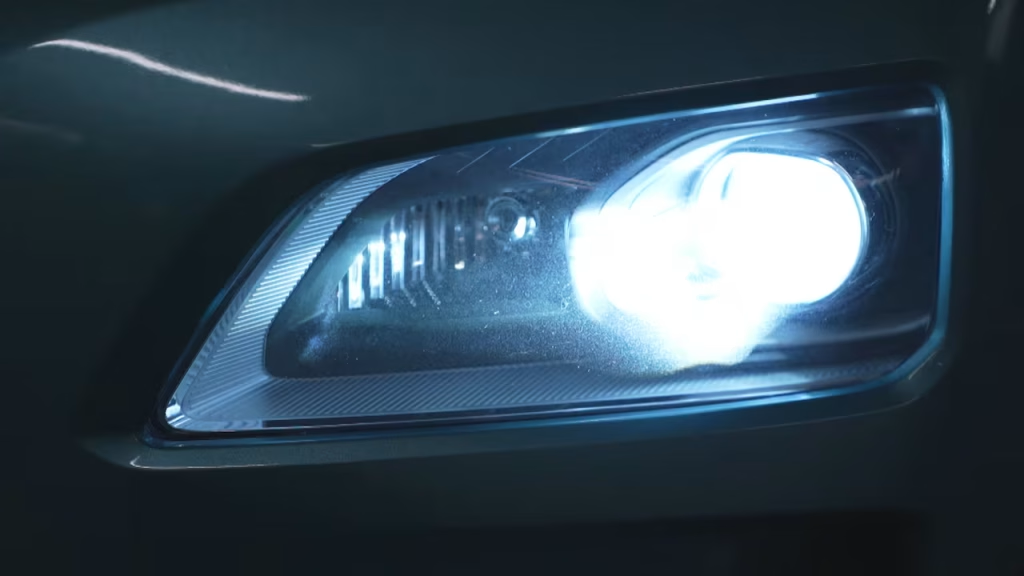
Check all of them regularly: headlights, taillights, brake lights, signal lights, and hazard lights. Get someone to walk around the car while you operate each one, or back up close to a wall so you can see the reflection.
A few other things worth knowing: keep your lenses clean because dirty covers dim your lights noticeably. If you’re within 200 meters of the car in front of you at night, switch to low beam. High beams blind the driver ahead through their mirrors and that’s both dangerous and inconsiderate. And if you live somewhere with heavy tint on your windows… be aware that it reduces your visibility more than you think, especially at dawn and dusk.
The fine for faulty lights in the Philippines can run up to ₱5,000. But honestly the fine is the least of your worries.
The real cost is in the accidents that broken lights cause.
O — Oil
Think of oil as your engine’s blood. It lubricates every moving metal part inside the engine, reducing friction and preventing those parts from grinding against each other and destroying themselves. Without proper oil… your engine literally eats itself from the inside.
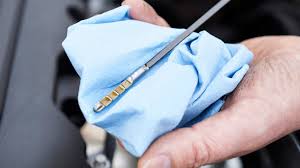
The quick check is simple. Pull the dipstick, wipe it clean, reinsert it, pull it out again, and look at the color and level.
- Clear to light golden: Fresh oil. You’re good.
- Medium to deep brown: Still okay but getting older. Start planning a change.
- Black: Change it now. Don’t wait for next week.
Also check the level. If it’s between the minimum and maximum marks, you’re fine. If it’s at or below minimum… top it up before you drive anywhere. And while you’re at it, look underneath the car for any dark spots on the ground where you usually park. Oil leaks don’t always announce themselves loudly. Sometimes it’s just a slow drip that gets worse over time.
Change your oil at the intervals your manufacturer recommends. For most Philippine driving conditions with our heat and stop-and-go traffic, erring on the side of more frequent changes is not a bad idea.
W — Water (and Coolant)
Your engine runs hot.
Really hot.
The cooling system is what keeps it from destroying itself through heat, and that system depends on having enough coolant and clean water in the right places.
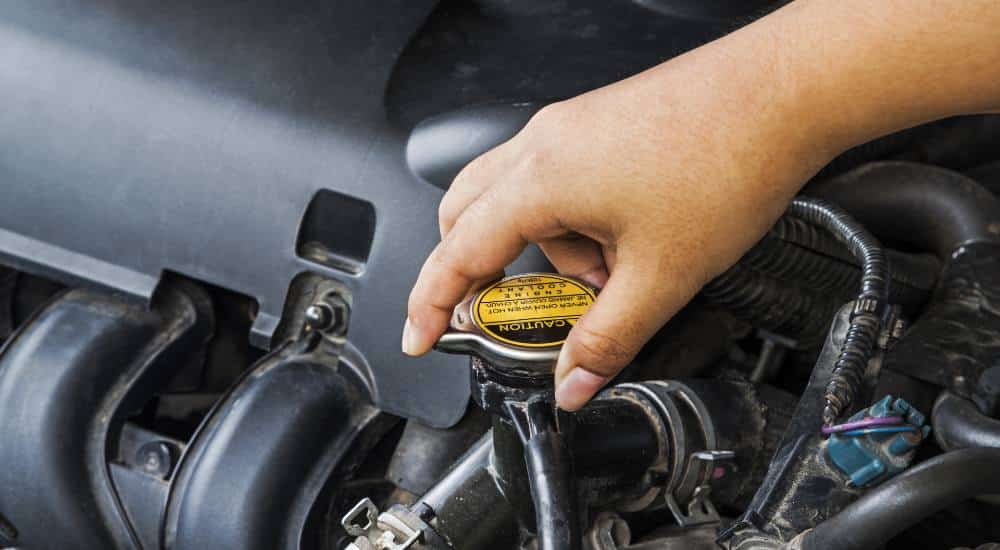
Check two things: the coolant reservoir (the small transparent tank usually near the radiator) and the radiator itself when the engine is cold.
Never open a hot radiator cap!!!
The pressure inside can spray scalding coolant directly at you.
If your reservoir is consistently losing fluid without any obvious leak… get it checked. It might mean a slow leak somewhere in the system, or worse, a head gasket issue that’s burning coolant internally.
Also check your upper and lower radiator hoses. They should feel firm and pliable, not soft and squishy or cracked and brittle.
A burst radiator hose on the highway is a bad day. This has happened to me back in the day while I was driving from Tagum back to Davao City. And guess who was right beside me? My dad… although he didn’t say anything… I bet in his mind, he was thinking… someone didn’t follow my BLOWBAG mnemonic advice…
In Davao’s heat, especially during the summer months or on long climbs like the road going up to the highlands… a properly functioning cooling system is not optional.
B — Brakes
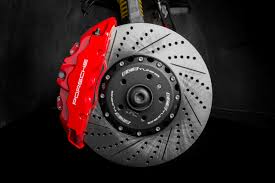
Your brakes are the most important safety system on your vehicle. Everything else about your car is designed to make it go.
The brakes are what make it stop.
And stopping is what keeps you alive.
Check the brake fluid reservoir.
The fluid should be between the minimum and maximum marks and should be clear to light yellow in color.
Dark, murky brake fluid means it’s absorbed moisture over time and needs to be replaced. Old brake fluid doesn’t perform as well, especially under hard braking when the fluid heats up.
Press the brake pedal and feel it.
A firm pedal that resists pressure is what you want.
A soft or spongy pedal that compresses too easily suggests air in the brake lines, which means you need to bleed the brakes. This is especially relevant if you live in a low-lying area of Davao that floods during heavy rain.
Listen for squealing or grinding when you brake. Squealing can mean worn brake pads. Grinding usually means the pads are gone and you’re metal-on-metal with the rotors. Both need immediate attention.
Don’t forget the handbrake.
Pull it and make sure it holds the car on a slope.
A — Air (Tire Pressure)
Your tires are the only part of your car actually touching the road. Everything else… the engine, the steering, the brakes… all of it works through those four small contact patches of rubber on the ground. Tire pressure affects everything: safety, fuel consumption, handling, and tire life.
Check the recommended PSI for your specific tires. It’s usually printed on a sticker inside the driver’s door frame, or in your owner’s manual. Don’t just go by what “feels right” because tires don’t look obviously flat until they’re very significantly underinflated.
Underinflated tires wear unevenly, increase your fuel consumption, and can overheat and blow out at highway speeds. Overinflated tires give you a harsh ride, reduce your grip on the road, and make your car skip over bumps instead of absorbing them.
Check all four tires and don’t forget the spare. There is nothing more frustrating than getting a flat on the road to Digos at night and discovering your spare is also flat.
Also look at your tread. Run your finger across the surface. If you can feel the wear indicators built into the grooves starting to level with the tread surface… it’s time for new tires. Bald tires on a wet road are genuinely dangerous, and we get a lot of rain here.
For motorcycle and scooter riders, tire pressure is even more critical because you only have two contact points. Check it every time before you ride. Every time. No exceptions.
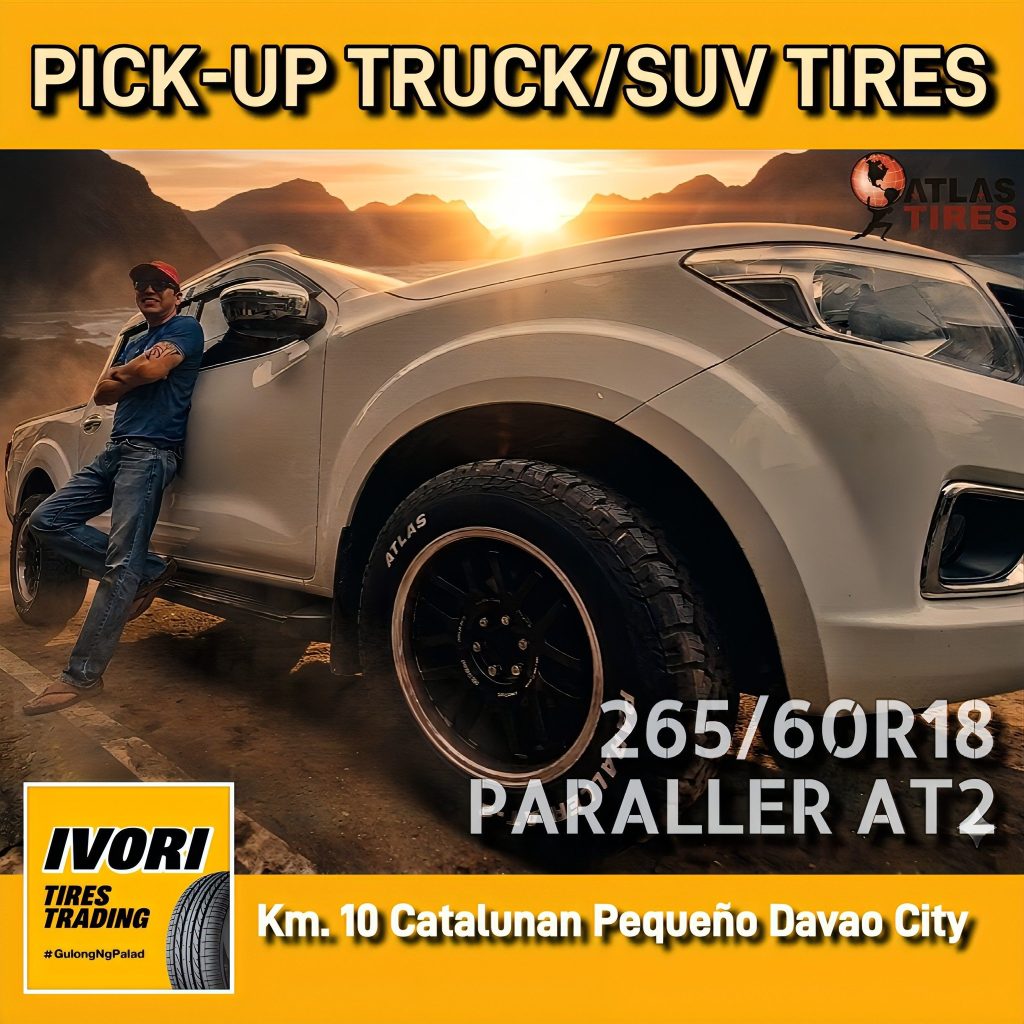
And if you’re ever in the market for high quality tires in Davao City, check out Ivori Tires Trading located at km. 10 Catalunan Pequeno, Davao City.
#GulongNgPalad
G — Gas
Simple.
Don’t start a trip on reserve.
Fill up before you go. Especially if you’re heading somewhere outside the city where gas stations are fewer and further between. The national highway going toward Bukidnon or the coastal roads south of Davao are not places where you want to be coasting on fumes.
A few fuel habits worth building: try not to let your tank consistently run below a quarter full because it can accelerate wear on your fuel pump, which sits inside the tank and uses fuel for cooling.
Avoid mixing different fuel brands regularly if you can help it.
And never overfill the tank past the click of the nozzle.
The evaporative emission system on modern cars needs that air space above the fuel.
Note: The term gas is equal to other types of fuel like diesel or petrol just in case you think this is only for gasoline engines. And… in the case of EVs or electric vehicles… a full charge or at least enough charge to safely get from point A to point B
S — Security
This is the letter I added and I think it deserves its place in the acronym.
Car crime is real.
Maybe not as much in Davao, but in the Philippines, in every other city, in every barangay, it happens.
And yes, I still lock my doors and make sure that it is totally locked by checking each door even if I’m in Davao.
Before you park and walk away, make sure your doors are locked, your windows are up, your alarm is armed, and you haven’t left anything visible inside that’s worth stealing. If your alarm has a flashing LED or makes a sound when armed, confirm it.
Park in well-lit areas whenever possible. If there’s a CCTV nearby, park near it. It won’t always prevent crime but it raises the risk for whoever might be considering targeting your vehicle.
Check that your locks actually work. A power lock that occasionally fails is an easy thing to ignore and an easy thing to regret.
BLOWBAGS for Motorcycle and Scooter Riders
All of the above applies to you too, with a few additions specific to two-wheelers.
Beyond the standard BLOWBAGS checks, inspect your throttle and accelerator cable for smooth operation and any fraying.
Check your drive chain or belt for proper tension and lubrication.
A dry or loose chain is both inefficient and dangerous. And be mindful of excessive aftermarket modifications, especially to your exhaust, lighting, and mirrors, as these can affect both safety and your roadworthiness under LTO inspection.
For scooters, pay particular attention to your CVT belt condition if you can access it. A worn CVT belt can snap without much warning, especially on longer or faster rides.
Before You Go: Emergency Kit Basics
Knowing BLOWBAGS is the first step. The second step is being prepared for when something goes wrong despite your best efforts. Every vehicle should carry:
- A working jack and lug wrench
- A spare tire (inflated and in good condition, see: A)
- Jumper cables
- Towing rope or strap
- Basic tool kit (screwdrivers, pliers, adjustable wrench)
- Extra coolant and water
- Extra brake fluid
- A flashlight
- An early warning device (required by law in the Philippines)
- A basic first aid kit
None of this takes up much space. All of it has saved someone’s day at some point on a road somewhere in this country.
Also Check Out BLOWBAGETS
The BLOWBAGS checklist takes maybe five to ten minutes if you do it properly. Less once it becomes habit. And it can genuinely save your life, or at the very least save you a very expensive and stressful breakdown on the side of the road somewhere far from your mechanic.
I wrote about BLOWBAGS back in 2015 and the core of it hasn’t changed because the fundamentals of vehicle safety haven’t changed either.
Battery, lights, oil, water, brakes, air, gas… and security.
Eight things.
Before every trip.
Teach it to your kids when they start driving.
Remind your spouse.
Send this to your group chat full of people who definitely don’t check their tires often enough.
Drive safe out there.
And as Peter Parker’s Uncle Ben once said… with great power comes great responsibility. A car is great power.
Treat it that way.