

If you’ve ever stood in a tire shop trying to decide between brands and the salesperson tells you “this one is from India, this one is from Thailand”… and you just nod like you understand the difference… this one’s for you.
Chocko, the owner and operator of Ivori Tires here in Davao, gave a really clear breakdown of both.
The short answer is that both are of great quality.
But the why behind each one is what’s most interesting for me.
Indian Tires: Built for Extremes
India is not a simple country to drive in.
We’re talking about a place that has everything… the Himalayas, scorching deserts, long coastal stretches, flat plains, mountain passes, and temperatures that can swing from brutal cold to over 50 degrees Celsius depending on where you are.
Indian tire engineers had to come up with something that could survive all of that.
The result is a tire that is heavily reinforced using synthetic compounds to make it more durable and longer lasting under stress.
India is also one of the most populous countries in the world, which means vehicles are regularly overloaded… and the tires have to handle that too.
So Indian tires are built to a standard that prioritizes durability, load capacity, and performance across wildly different road conditions.
If you need a tough, rugged tire that can take a beating… Indian tires are engineered exactly for that.
Thailand Tires: Built for Comfort and Grip
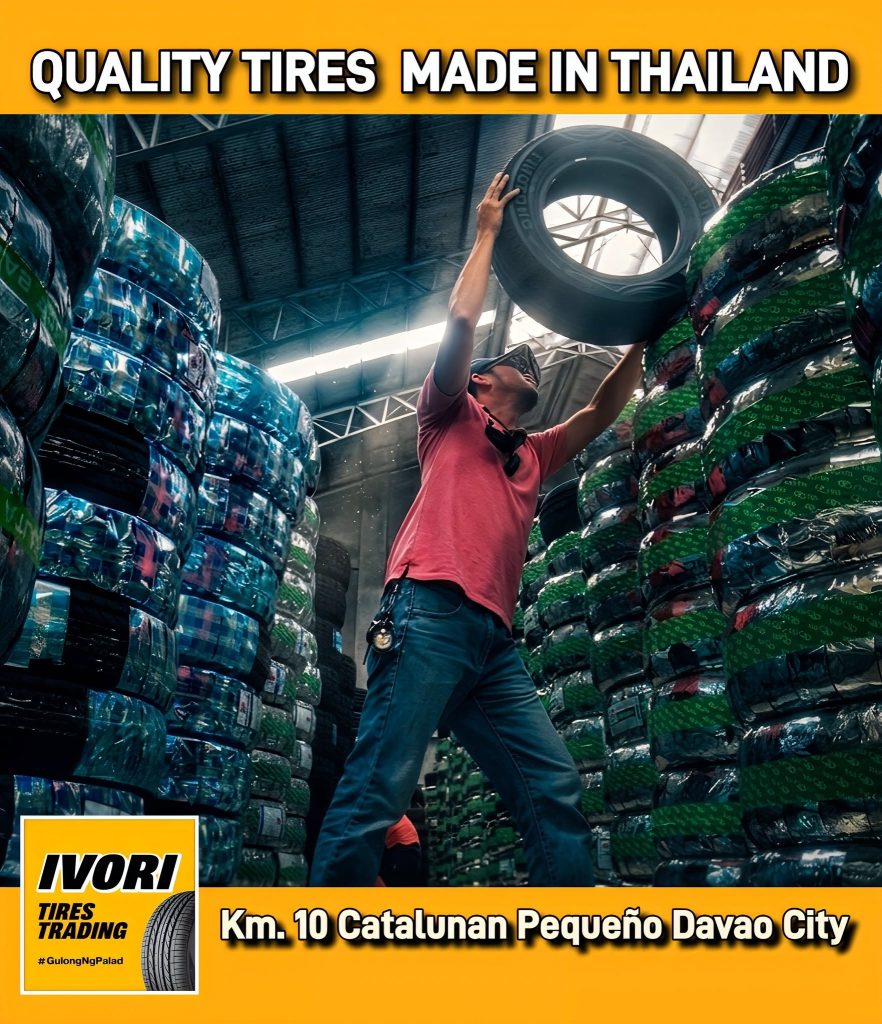
Thailand is the world’s top producer of natural rubber. And because of that abundance, Thailand-made tires are often composed of a much higher percentage of pure natural rubber compared to other countries.
That changes how the tire feels and performs completely.
Brands from Japan, the US, Italy, and Europe that manufacture in Thailand benefit from that premium rubber supply at lower production costs.
The result is a tire that feels like… a pair of good shoes.
- Quiet on the road.
- Comfortable ride.
- Excellent wet grip.
- Better braking performance especially during sudden stops.
If you’ve ever driven on a set of Thailand-made tires and thought “wow, the road feels smoother today”… that’s not your imagination.
So Which One Should You Choose?
According to Chocko, it really comes down to how you use your vehicle.
—
Going rugged?
Rough roads, heavy loads, mixed terrain around Davao and beyond?
Go Indian.
The reinforced construction and durability specs will serve you well.
—
Want comfort, quieter highway rides, and better wet-weather grip?
Go Thailand.
The natural rubber quality gives you a more refined, premium driving experience.
—
Both countries are among the top tire exporters in the world.
Neither is a bad choice.
It’s really just about matching the tire to your driving life.
When in doubt, ask someone who knows their tires.
Like Chocko.
Thanks to Chocko of Ivori Tires for the insight. Check out the full video breakdown on their Facebook page.